

A Day of Celebration Turned to Tragedy The devastating impact of a drone attack on civilians has left a lasting scar on what should have been a joyous occasion.
On March 8, while the world marked International Women’s Day, communities in the Nuba Mountains of Southern Kordofan experienced a devastating drone attack on civilians that left many in shock and mourning.
Reports from eyewitness indicate that drone attacks struck civilian markets in Jullud, near Dilling, where local civilians gathered every Saturday to buy food and selling local produce. This drone assault directly targeted civilians in their place of commerce.
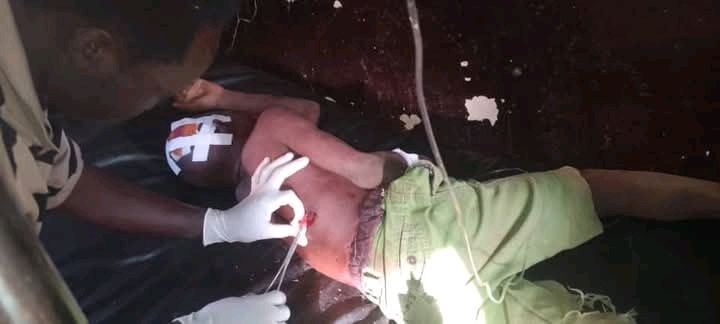
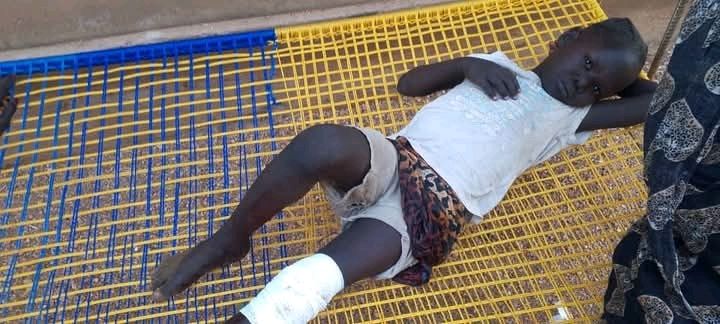
At least 17 civilians were killed, and many others were injured. Among the victims were women and children, ordinary people trying to live their lives, buy food, sell goods, and support their families. In seconds, a place of livelihood became a place of grief and loss due to the impact of a drone attack on civilians.
Civilians Living Under Constant Threat
For communities in the Nuba Mountains, attacks like this are not new. For more than half a century, civilians have faced repeated violence, displacement, and bombardment, including recent drone attacks on civilians.
Recent reports from the region also point to the increasing use of drones and aerial surveillance in military operations. Drone warfare creates an atmosphere of constant fear. Unlike traditional conflicts, civilians often receive no warning before an attack occurs, especially when a drone attack on civilians takes place from above.
People describe the anxiety of hearing aircraft or drones overhead, never knowing whether a strike will follow. Farmers hesitate to work in their fields. Families are afraid to gather in markets. Parents worry each day about the safety of their children, with the fear of possible drone attacks on civilians always present.
Civilians Should Never Be Targets
Under International Humanitarian Law, civilians must always be protected during armed conflict. People who are not fighting should never be attacked—this includes a drone attack on civilians, which is strictly prohibited.
Yet in Sudan, civilians have faced repeated attacks on their homes, schools, hospitals, and markets for decades. The law exists to protect those who are not combatants, but families in the Nuba Mountains live with trauma as part of daily life, especially when drone attacks on civilians shatter their sense of safety.
Local markets like Mantra are clearly civilian spaces. They are where communities meet, buy food, and sustain their livelihoods. When such places are attacked, fear spreads beyond the moment of the explosion. Parents hesitate to bring children to markets. Traders lose their income. Communities lose the spaces that make life possible, all because of deadly drone attacks on civilians gathering peacefully.
Children Are Especially Vulnerable
Children are among the most vulnerable during attacks. Exposure to violence disrupts their sense of safety, education, and normal life, especially in cases of drone attacks on civilians where little warning is given.
International law emphasizes special protection for children. The Convention on the Rights of the Child requires that children be safeguarded from violence and harm, while the Geneva Conventions obligate all parties in conflict to protect civilians, especially the most vulnerable, from all forms of attacks including drone strikes on civilians.
Many children in the Nuba Mountains grow up hearing explosions, seeing destruction, and worrying about whether they or their loved ones will survive. Survivors often experience nightmares, withdrawal, anxiety, and long-term trauma that affects their ability to learn and play—all consequences of repeated drone attacks on civilians in their region.
The Weight on Women
Women often carry the heaviest burden during attacks. In addition to coping with personal loss, they care for injured family members, comfort children, and maintain households under extreme stress. Tragically, drone attacks on civilians often make their struggles even harder.
On a day meant to celebrate women, many in the Nuba Mountains were instead mourning loved ones, protecting children, and coping with trauma that has become a daily reality after repeated drone attacks on civilian gatherings.
The Humanitarian Consequences
Repeated attacks on civilian areas disrupt food systems, medical access, and community life. Markets, schools, and clinics are essential to survival. When destroyed or rendered unsafe because of drone attacks on civilians, families face increased food insecurity, lack of healthcare, and forced displacement.
Communities in the Nuba Mountains have endured this cycle for decades, and trauma is now a daily reality. Fear and uncertainty shape every aspect of life, from going to school to attending a market or caring for family members, especially after a drone attack on civilians shatters any sense of normalcy.
A Call to the International Community
We urge international bodies and governments to pressure Sudan to protect civilians, especially women and children. The rules of war are clear, and attacks on civilians—such as the recent drone strike—are prohibited. Children deserve special protection under international law, yet they continue to be exposed to extreme danger and trauma from drone attacks on civilians.
Immediate action is needed to:
- Protect civilian populations in conflict areas from threats like drone attacks
- Ensure special care for children affected by drone attacks on civilians
- Investigate attacks on civilians, including drone attacks, and hold perpetrators accountable
- Provide humanitarian and psychosocial support for affected communities, especially those traumatized by drone attacks on civilians
Comments are closed