

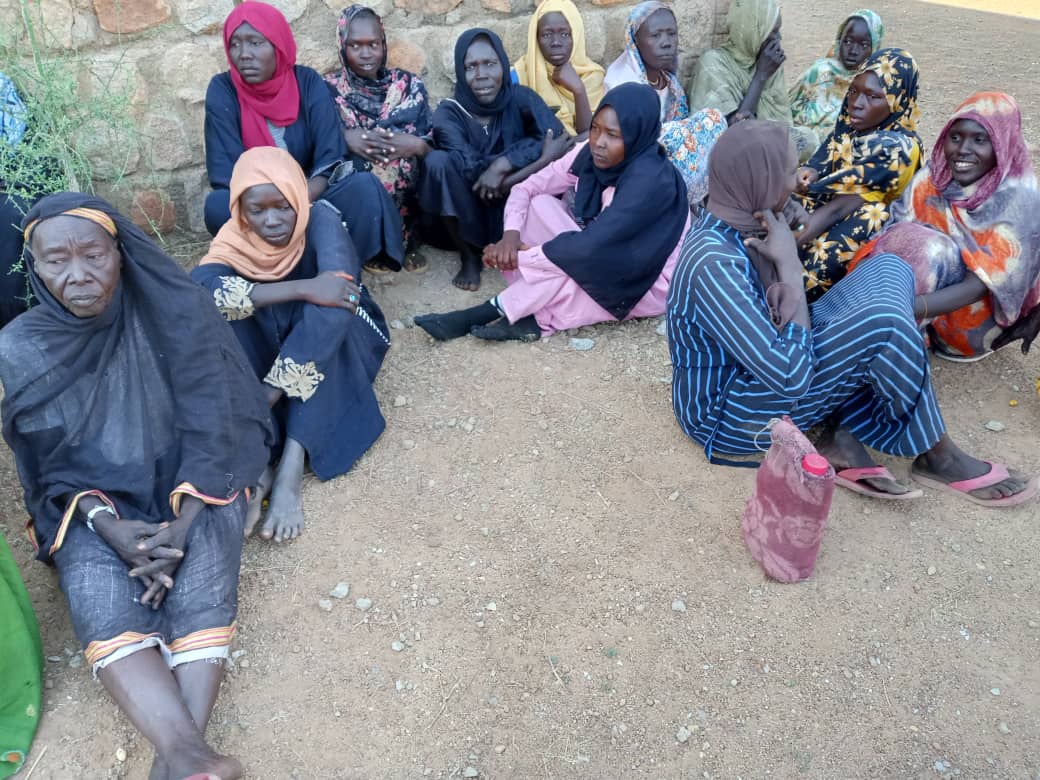
Every day in South Kordofan, women and children are dying from starvation, violence, and trauma in silence. Families are being erased. Homes, schools, markets, and places of worship are destroyed. Women and children are paying the highest price of this war, and yet, this tragedy rarely makes global headlines. You won’t see South Kordofan dominating the news like other conflicts, and that silence has real consequences.
This isn’t because the suffering isn’t real. It’s because the world chooses what it sees.
Civilians Are Suffering in Siege-Like Conditions
The United Nations has repeatedly warned that people in South Kordofan are trapped in “siege-like conditions” as fighting intensifies and humanitarian access is blocked. Civilians trying to escape face grave risks along unsafe routes, and hospitals are only partially functioning, leaving fleeing families without food, water, or medical care.
In practical terms, that means entire communities have little to no access to life’s essentials, not just luxuries, but food and medicine that keep mothers and children alive.
The Scale of Displacement Is Astonishing
Conflict and insecurity are uprooting families every day. The International Organization for Migration (IOM), part of the UN system, reported that more than 50,000 people have been displaced from the Kordofan region alone in recent months.
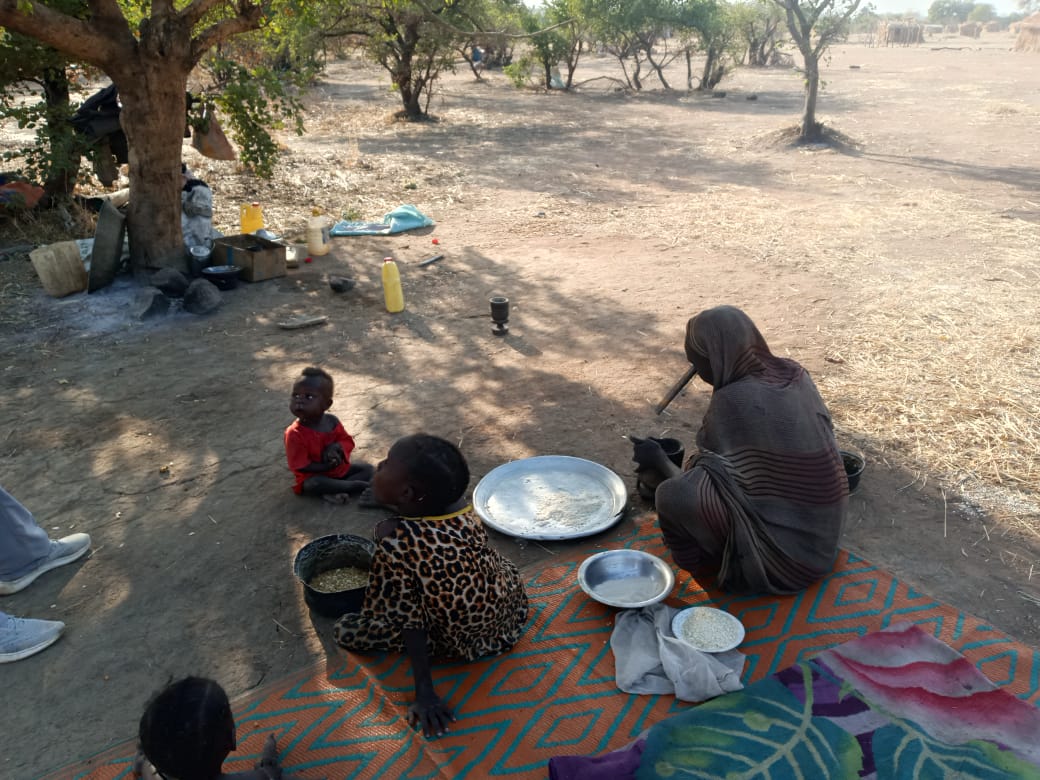
These are people forced to flee their homes not because they want to, but because staying means death. They carry with them trauma, fear, and often nothing but clothes on their backs.
The UN Warns the War Is Entering a Deadlier Phase
In December 2025, senior UN officials warned the Security Council that the war in Sudan is becoming even more dangerous. With fighting spreading in Kordofan, “each passing day brings staggering levels of violence and destruction”, and civilians are enduring immense, unimaginable suffering with no end in sight.
This isn’t abstract language. It’s a description of lives being torn apart where people struggle just to feed their children, find shelter, and reach basic medical care.
Hunger Has Reached Catastrophic Levels
UN agencies are sounding the alarm about hunger across the country. Recent assessments show that millions of people are experiencing acute food insecurity, and catastrophic hunger conditions have been confirmed in multiple areas of Sudan.
When food is scarce and not getting through because of conflict, the risk of death from starvation and malnutrition becomes as real as bullets and bombs.
UNICEF’s Lifesaving Aid Struggles to Reach Children
South Kordofan has seen desperately needed aid finally arrive, but only after months of siege. In August 2025, UNICEF managed to deliver supplies to Dilling and Kadugli for the first time in more than nine months. These supplies were meant for more than 120,000 vulnerable children and families and included therapeutic food to treat life-threatening malnutrition.
But that one convoy, after months of delay, also shows just how difficult it is for even the most basic help to reach people when roads are blocked and fighting continues.
The UN Secretary-General Condemns Attacks on Civilians and Peacekeepers
The United Nations Secretary-General, António Guterres, has publicly condemned attacks in South Kordofan, including those that struck a UN peacekeeping logistics base in Kadugli. He said such attacks may constitute war crimes under international law and urged all parties to agree to an immediate cessation of hostilities and resume talks toward a ceasefire.
That’s a reminder that these aren’t just facts in a report, these are violations of international law, seen and described by the world’s leading diplomatic institution.
Women and Children Are Paying the Highest Price
If we step back and think about what all this means on the ground, it’s devastating:
- Women and girls often bear the brunt of displacement, loss of livelihood, and violence. Many are forced to care for children alone, with no food or shelter, and little hope of safety.
- Children whose world should be school and play, face starvation, disease, and trauma. Schools have been damaged, closed, or turned into shelters, and millions of children have lost years of education. A recent report found that half of all school-aged children in Sudan are out of education because of the war, a crisis that will shape a generation.
Every displaced family you see in a crowded camp has a story of loss of home, of stability, of future.
The Silence on South Kordofan Is a Choice
So why isn’t the world shouting about this?
Part of the answer is media focus, big conflicts with global political flashpoints get more attention. But part of the answer is harder: empathy is selective. Stories from places perceived as peripheral are easier for many in power to ignore.
And that silence lets the suffering continue without serious global pressure.
The World Must Act
The facts on the ground, backed by the United Nations, UNICEF, IOM, and other humanitarian agencies, show that.
- Civilians are trapped in fighting and are cut off from lifesaving aid.
- Hunger and malnutrition are rising to catastrophic levels.
- Displacement numbers continue to climb.
- Attacks on civilians and humanitarian workers violate international law.
- Women and children are disproportionately suffering from the consequences of war, with little international attention.
Comments are closed