

A Call to the International Community, the United Nations, the ICC, and States with Influence
The war in Sudan is not only a political or military crisis.
It is a sustained assault on international law and on the most basic rights of civilians.
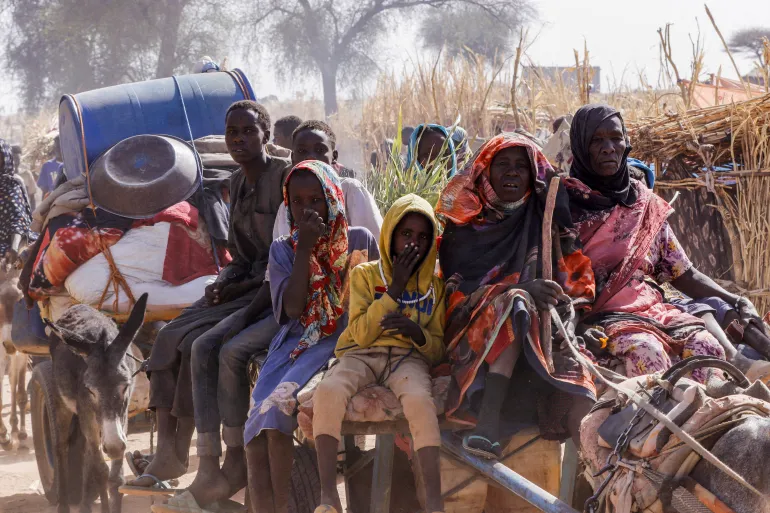
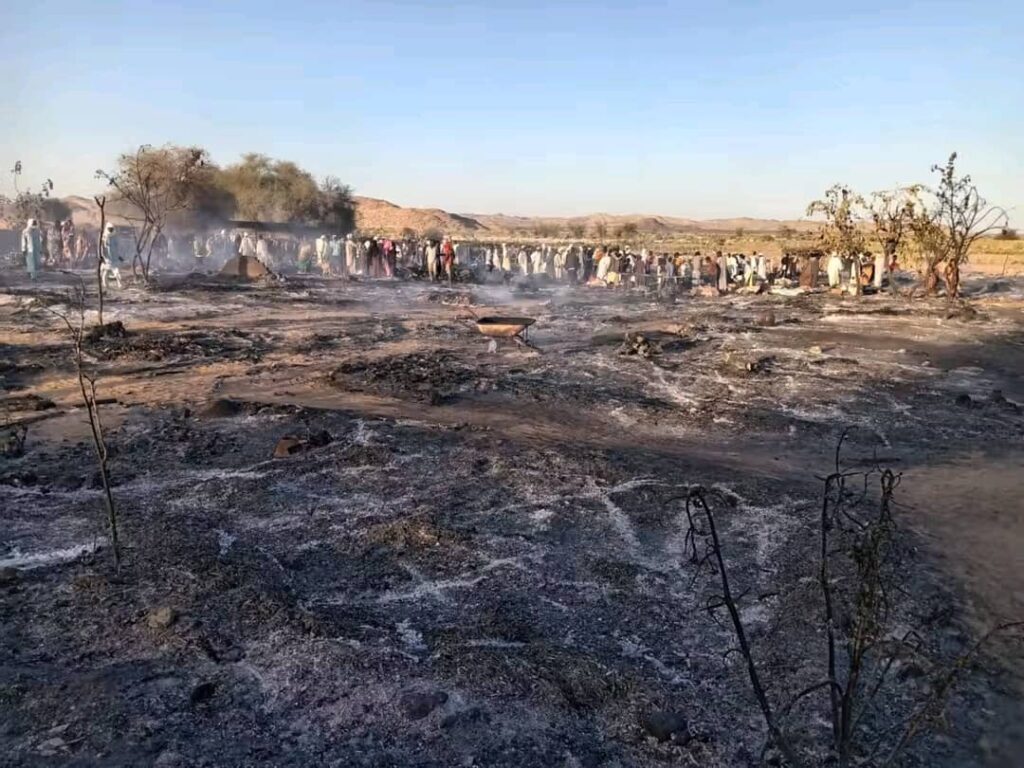
Since April 2023, the conflict has devastated civilian life across Sudan. Millions of people have been displaced, entire communities destroyed, and civilians subjected to killings, sexual violence, starvation, and forced displacement. These are not accidental consequences of war. They are violations of binding international legal obligations. Yet in Sudan, civilians are being deliberately attacked, homes burned, markets destroyed, schools occupied or bombed, and hospitals rendered nonfunctional. These acts constitute serious violations of international humanitarian law, and many amounts to war crimes.
Civilians as the Primary Victims
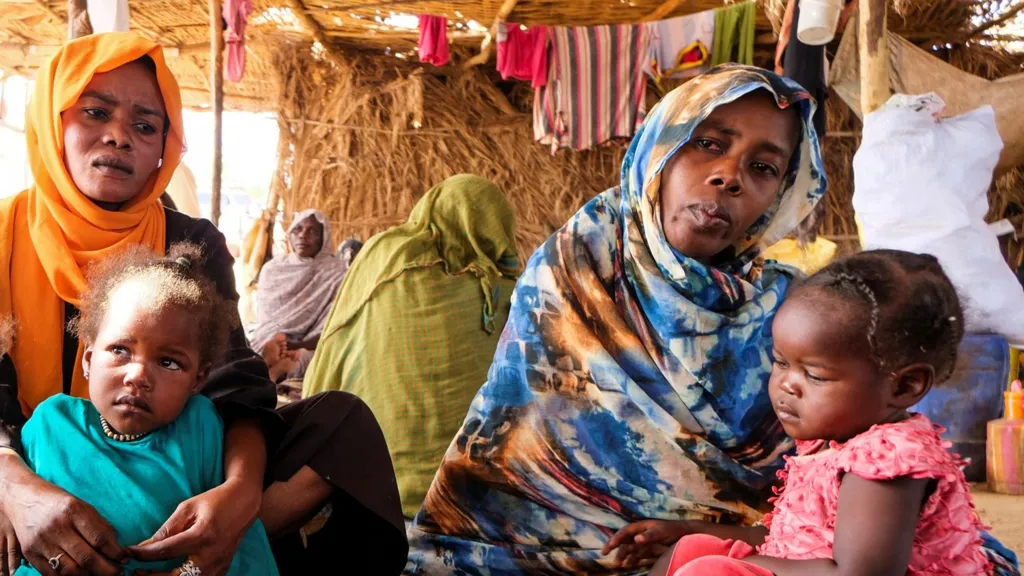
A mother shared her experience quietly.
“They took my two daughters from me. I could not stop them. When one of my daughters came back, she was pregnant. She was still a child.”
Another woman described what happened during an attack on her village.
“They shot my husband in front of me and our children. We were all watching. After that, nothing felt real anymore.
Women in Sudan are experiencing widespread and systematic sexual violence.
Rape and other forms of sexual violence are prohibited under international law, including the Rome Statute of the International Criminal Court, the Convention on the Elimination of All Forms of Discrimination Against Women (CEDAW), and UN Security Council resolutions 1325, 1820, 1888, and 2467 on Women, Peace and Security.
Many women and girls have been assaulted during attacks, displacement, and house-to-house raids. Most survivors remain silent due to fear of stigma, retaliation, or further violence. Silence must never be mistaken for absence of harm.
Torture and Gender-Based Violence Against Men
Men have also been subjected to severe abuse, including torture and sexualized violence, acts which are prohibited under the Convention Against Torture and international humanitarian law.
One survivor testified:
“They tortured me because they thought I supported the other side. I survived, but they destroyed my body and my life. I am alive, but I am not the same person.”
These acts are designed to humiliate, punish, and permanently harm. Torture is illegal under all circumstances
Children Denied Protection and Education
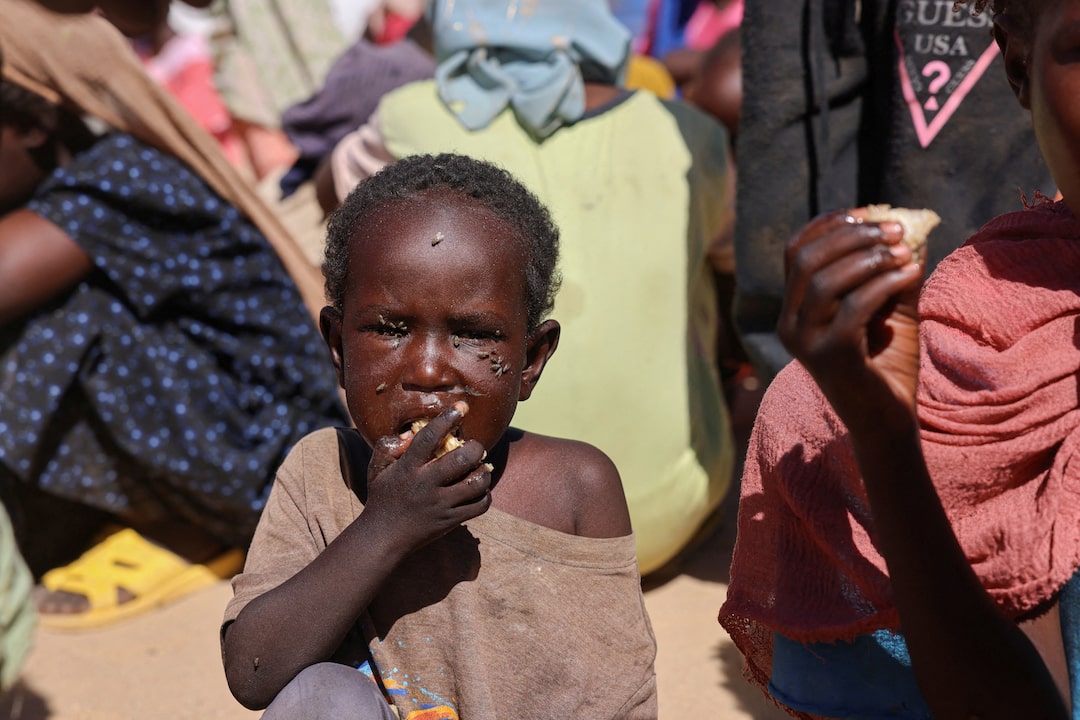
Sudanese children are among the most affected victims of this war.
Under the Convention on the Rights of the Child, children have the right to protection from violence, the right to education, and the right to physical and mental well-being. These rights are being systematically violated.
Schools have been destroyed, looted, or militarized. Millions of children are out of school, deprived of learning, safety, and stability. This violates not only their right to education but also international commitments to protect schools during armed conflict, including the Safe Schools Declaration.
Children are witnessing extreme violence, losing caregivers, and suffering deep psychological trauma. This level of harm will have lifelong consequences and threatens the future of an entire generation.
Economic Destruction and Social Collapse
The war has collapsed Sudan’s economy and destroyed livelihoods.
Markets have been burned. Farms abandoned. Small businesses wiped out. Inflation and food insecurity have pushed families into hunger and extreme poverty. These conditions violate the right to an adequate standard of living, recognized under international human rights law.
The destruction of places of worship, community centers, and social spaces has torn apart Sudan’s social fabric. These are violations of cultural and religious rights and have deeply damaged community cohesion.
A Failure of Accountability
Despite the scale of violations, accountability remains absent.
International mechanisms exist precisely for situations like Sudan. The International Criminal Court has jurisdiction over crimes committed in Darfur and should urgently expand investigations into ongoing crimes across the country. The United Nations must move beyond statements of concern toward concrete action, including protection mandates, accountability mechanisms, and pressure on parties and their external supporters.
States with influence, including the United States, have legal obligations under international law to prevent atrocities, promote accountability, and ensure that their actions do not contribute to violations.
Women’s groups, community organizations, resistance committees, and grassroots actors continue to provide aid, document abuses, and support survivors despite immense risk. Excluding them from peace processes violates the spirit of UN Security Council Resolution 1325 and undermines any chance of sustainable peace.
We call on:
The United Nations to strengthen civilian protection, humanitarian access, and accountability mechanisms
The International Criminal Court urgently investigate and prosecute crimes committed against civilians, especially sexual violence and crimes against children
The United States and other influential states to apply sustained diplomatic pressure, end impunity, and ensure no support enables violations
All international actors to center Sudanese civilians, especially women and children, in any political process
Comments are closed