

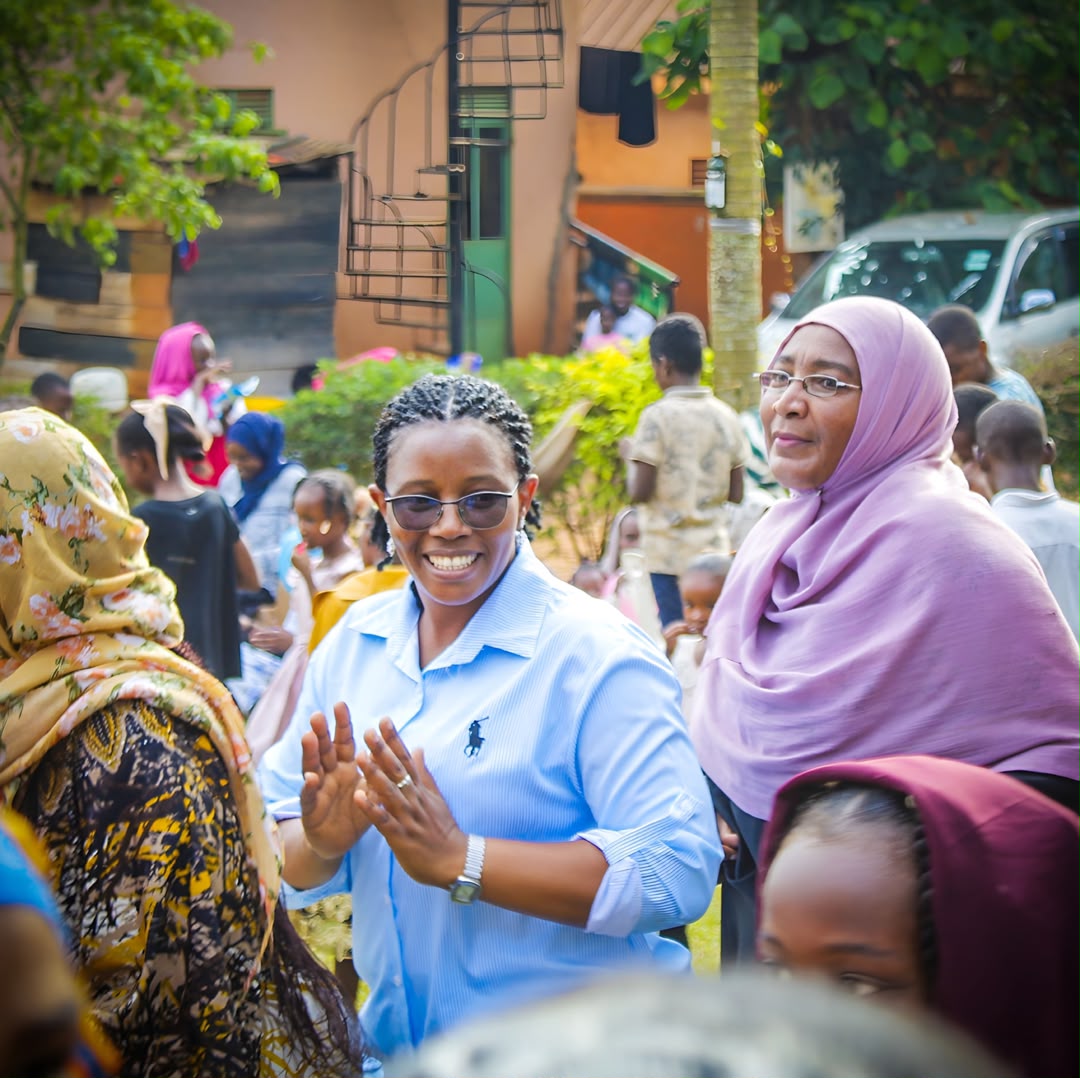
On Saturday, 18 July 2026, Trauma Rescue Aid (TRAID) organized a community exhibition in Uganda that brought together refugees, small business owners, families and members of the Ugandan host community.
The exhibition created a welcoming space where refugees from Sudan and South Sudan could showcase and sell their products, celebrate their cultures and build stronger relationships with the communities hosting them in Uganda. The event also included free health awareness sessions, basic medical screenings and cultural entertainment activities.
It was a joyful day filled with business, culture, music, learning and community connection.
Supporting refugee-owned small businesses
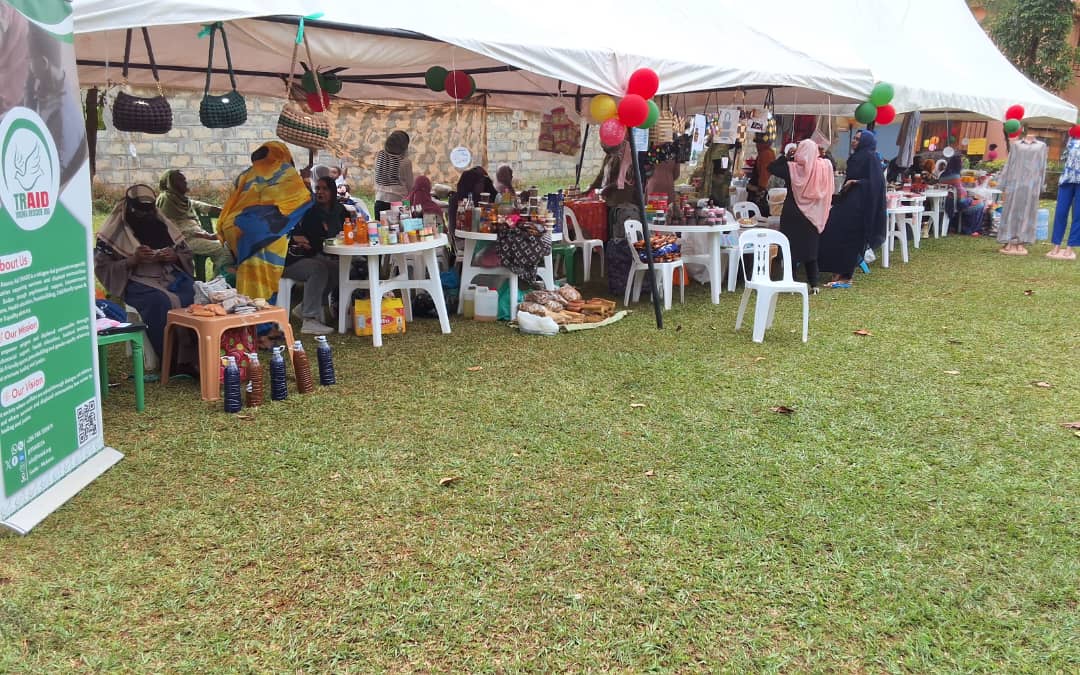
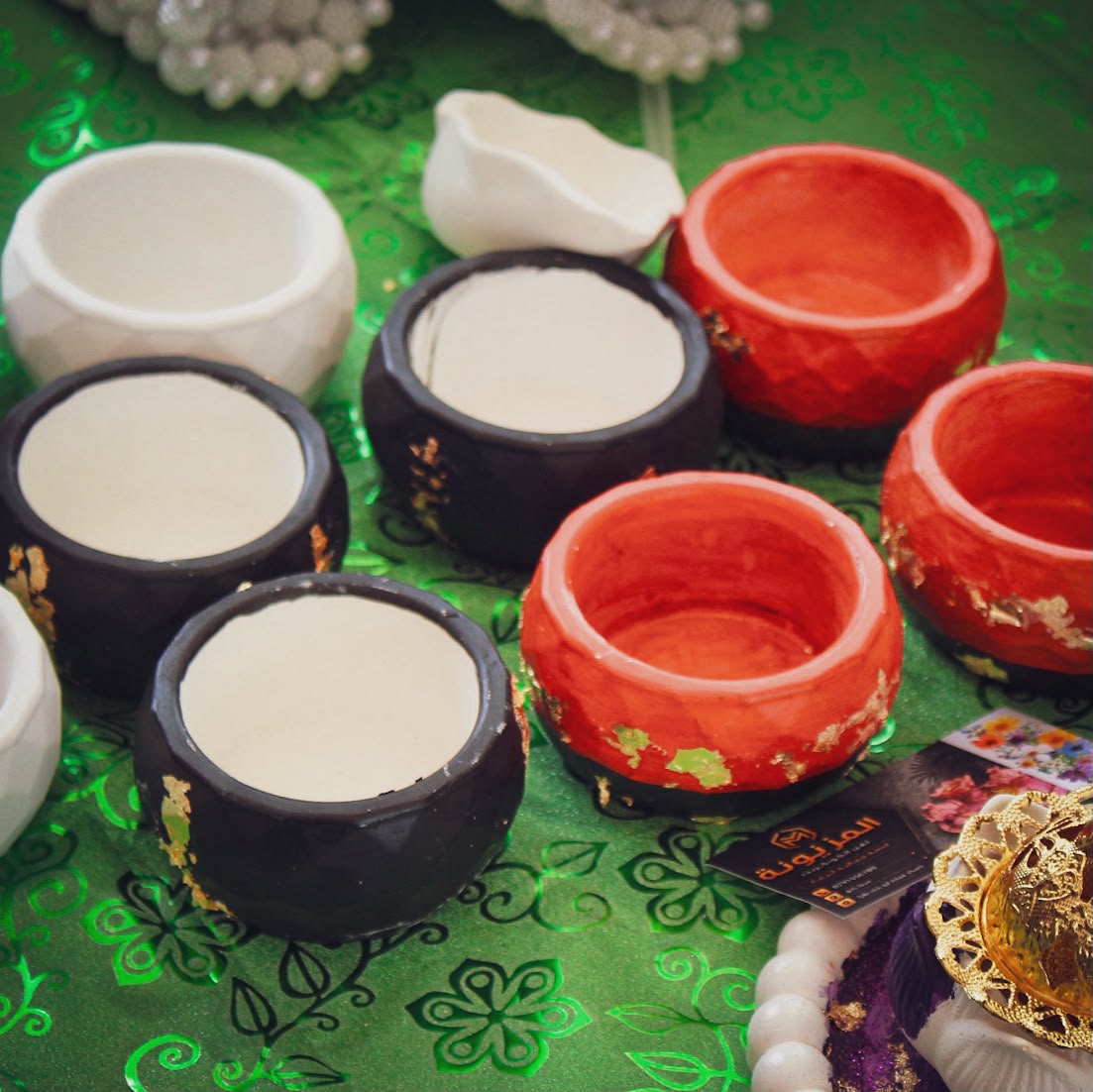
Many refugees arrive in Uganda after losing their homes, jobs, businesses and sources of income because of war and displacement. Starting again in a new country can be extremely difficult, especially when people have limited access to capital, customers and business opportunities. The exhibition gave refugee small business owners an opportunity to display their their products to potential customers. They showcased and sold different locally made items, traditional products and other goods connected to their livelihoods and cultural backgrounds.
For many exhibitors, the event was about more than earning an income. It gave them flatform to showcase their talents, creativity and hard work. When refugee-owned businesses receive support, the benefits reach entire families. Income from a small business can help parents pay for food, rent, healthcare and their children’s education. Economic opportunities also help people rebuild their independence and regain control over their lives.
Bringing back memories of home
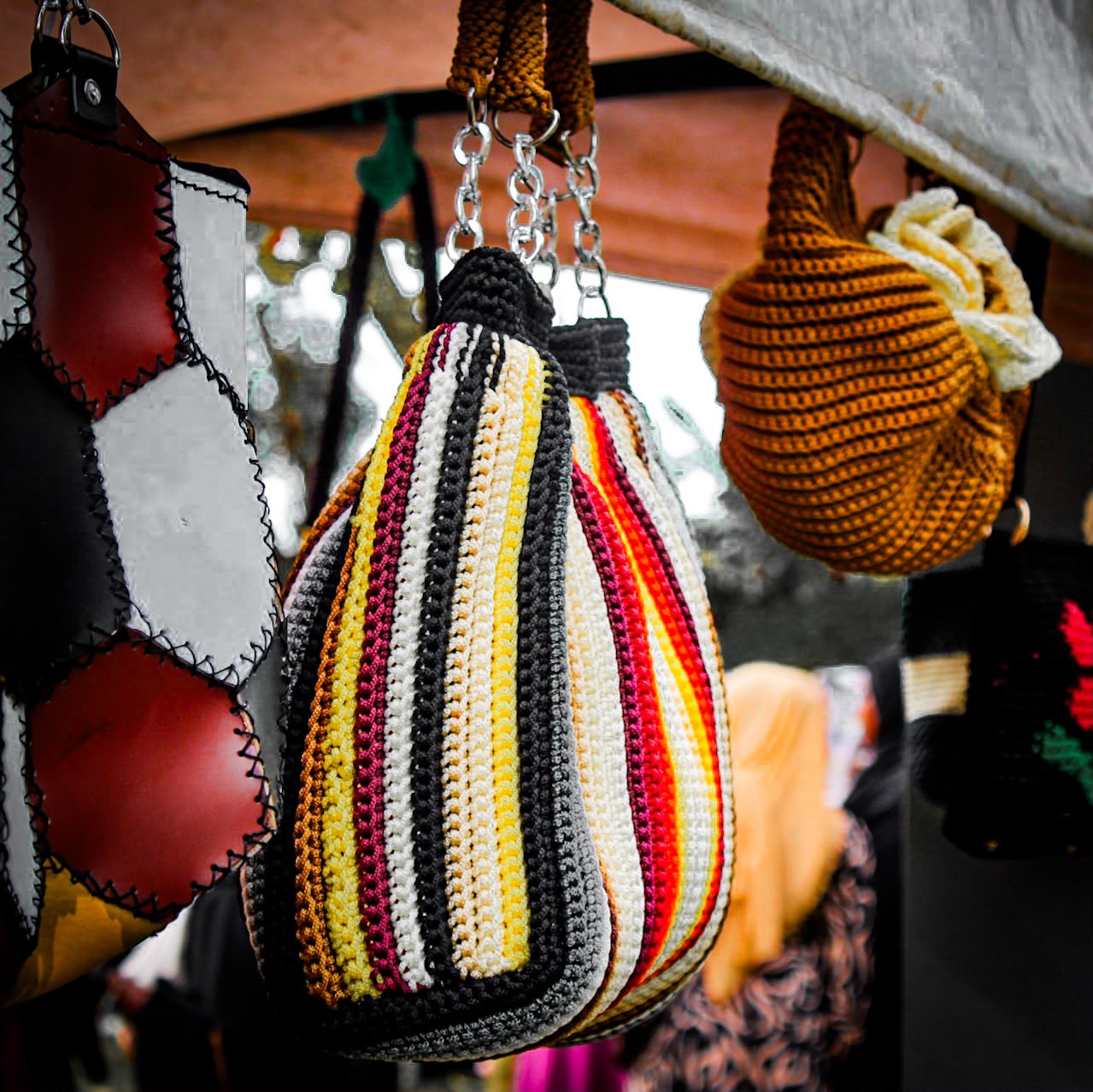
Some of the products displayed at the exhibition were similar to those commonly found in local markets in Sudan and South Sudan before the war.
For refugees who have been separated from their homes and communities, seeing familiar food, clothing, crafts and traditional products brought back important memories. These were the things many participants used to see in markets, homes and community gatherings before conflict forced them to leave.
The exhibition allowed people to reconnect with a part of their identity that displacement cannot take away. It reminded them of their skills, traditions and the lives they had built before the war.
This sense of familiarity was especially meaningful for families who have spent a long time away from home. The event gave them a space where they could celebrate who they are while also building a new sense of belonging in Uganda.
Strengthening social cohesion
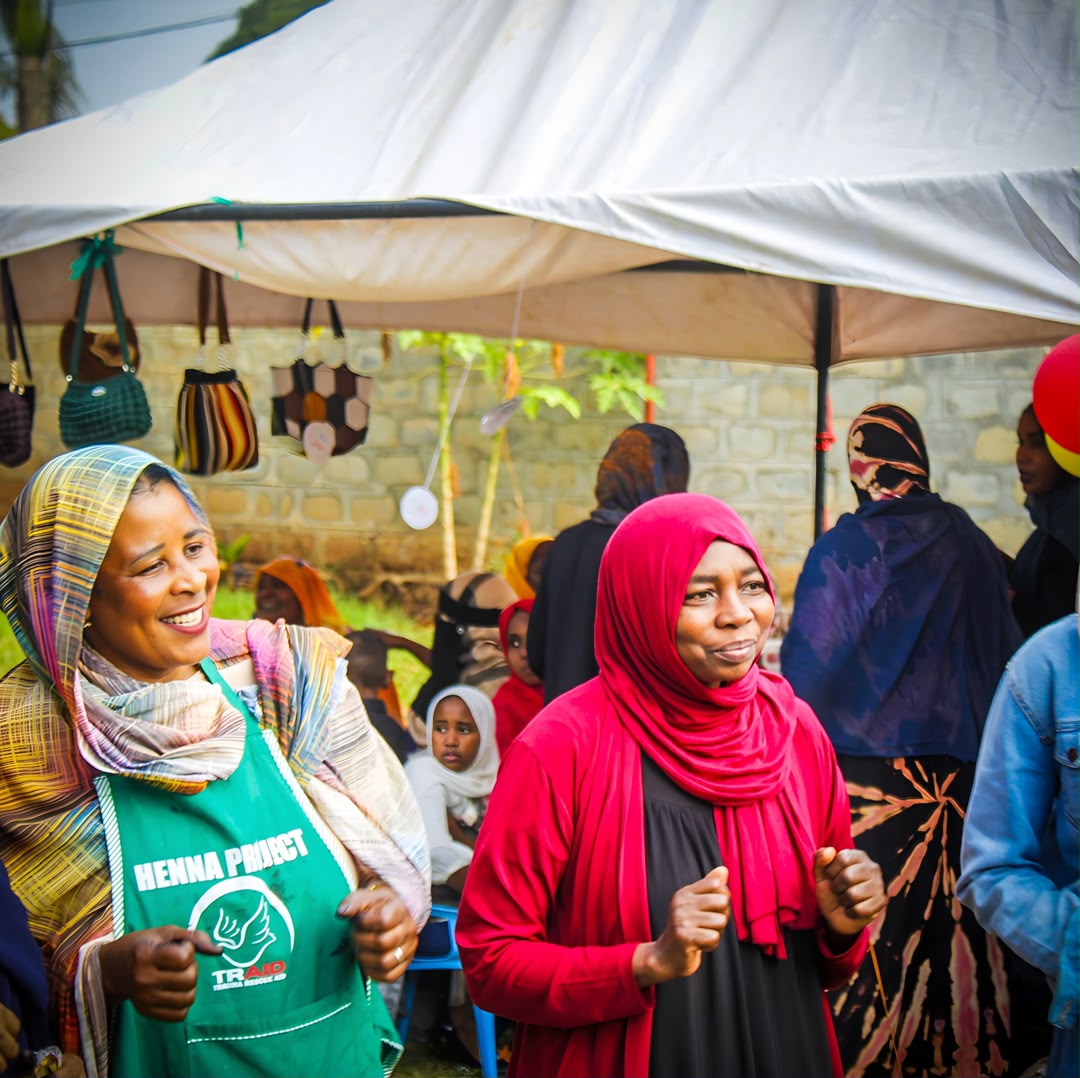
One of the main aims of the exhibition was to strengthen social cohesion between refugees and members of the Ugandan host community.
Refugees and host communities often share the same markets, schools, health facilities, transport systems and other public services. However, limited interaction, economic pressure and misunderstandings can sometimes create tension.
Community events such as this exhibition help break down those barriers. They allow people to meet, talk, share food, enjoy cultural activities and learn about one another in a friendly environment.
Ugandan community members visited the exhibition, interacted with refugee entrepreneurs and purchased their products. These simple interactions helped create greater understanding and trust.
The event showed that refugees are not only people who need assistance. They are also business owners, parents, artists, workers and active members of society. They bring knowledge, skills, culture and economic value to the communities where they live.
Social cohesion grows when people have opportunities to meet as neighbours and partners. By bringing refugees and host communities together, the exhibition helped build stronger relationships and a greater sense of shared community.
Celebrating Sudanese and South Sudanese cultures
Cultural entertainment was an important part of the event. Refugees from Sudan and South Sudan had an opportunity to celebrate their cultures through music, traditional activities and community interaction.
The entertainment created an atmosphere filled with happiness, laughter and connection. Families and community members joined the celebrations and enjoyed learning about different cultural traditions.
For people affected by war and displacement, cultural celebrations can be a powerful source of strength. They help individuals remain connected to their history and identity, even when they are far from home.
The event also gave children and young people an opportunity to see their traditions being celebrated publicly. This can help them feel proud of their heritage while learning to respect the cultures of others.
Culture became a bridge connecting refugees from different backgrounds with members of the Ugandan host community.
Free health awareness and medical screenings
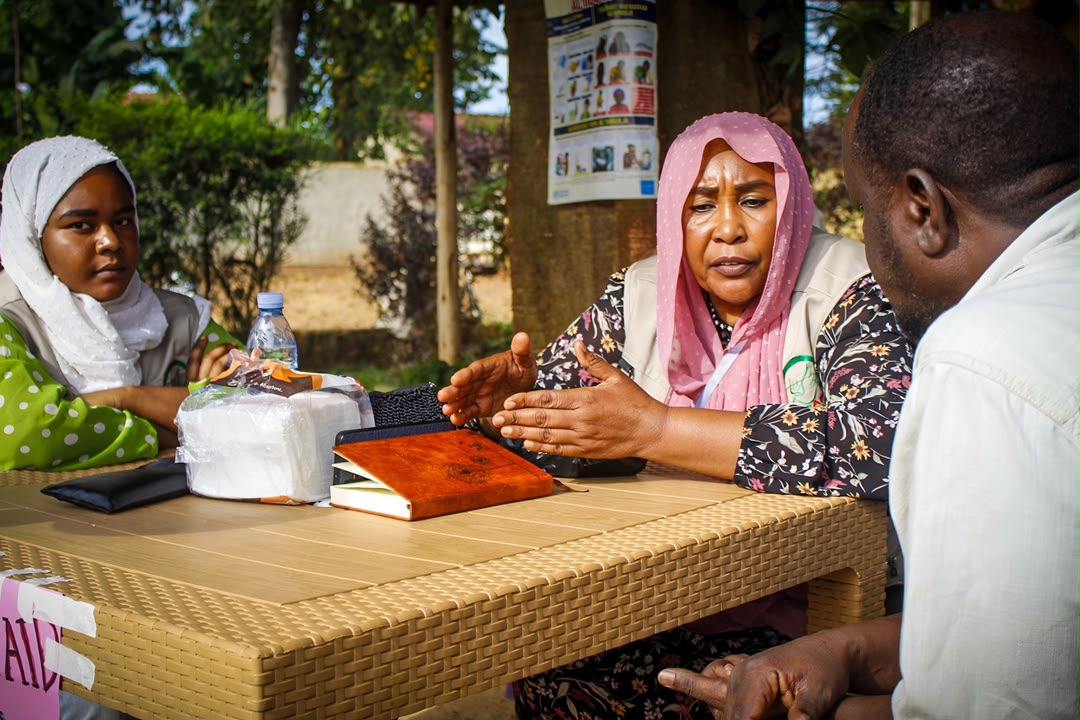
Alongside the business and cultural activities, TRAID provided free health awareness sessions and basic medical screenings.
These services gave community members an opportunity to receive important health information and check aspects of their general well-being. Health awareness is especially important for refugee communities, as many families face financial, language and practical barriers when trying to access healthcare.
Some people may also delay seeking medical support because they cannot afford it or do not know where appropriate services are available. Community-based screenings can help identify possible health concerns early and encourage individuals to seek further medical attention when necessary.
Providing health services during the exhibition made the event more accessible and useful to families. People could learn about their health in a safe and welcoming community environment.
The activity also emphasized that community well-being is not only about earning an income. It includes physical health, mental well-being, safety, dignity and meaningful relationships.
A day of joy and belonging
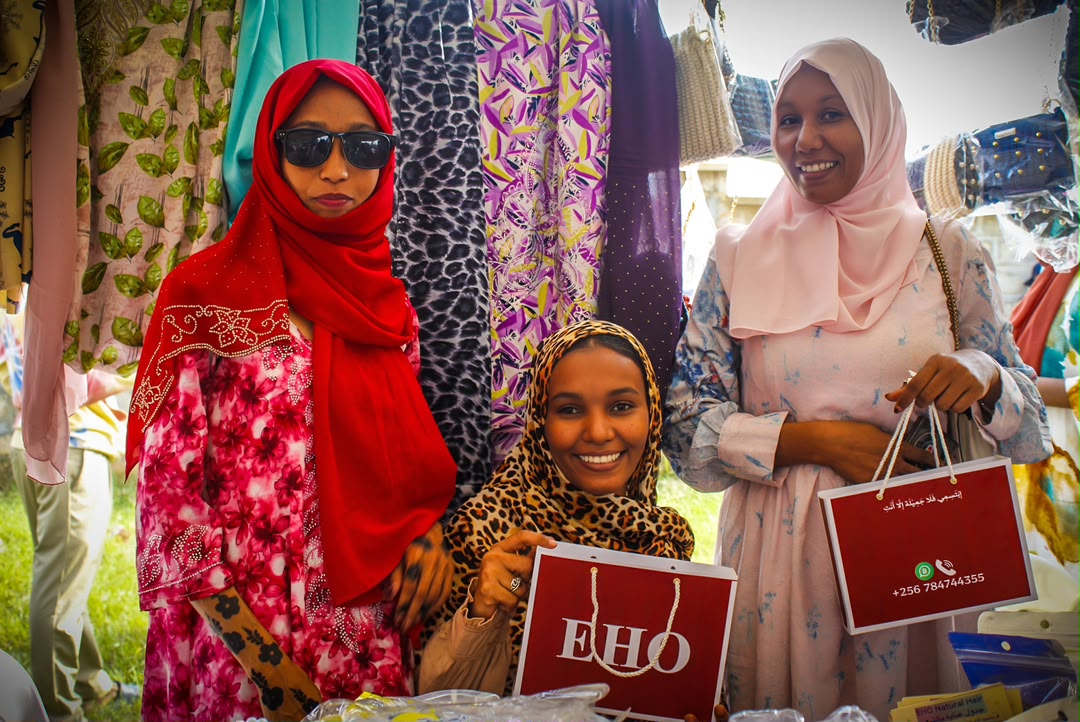
The exhibition was full of fun, entertainment and positive community interaction. Families were able to relax, meet others and enjoy a day away from some of the daily pressures connected to displacement.
For many refugees, opportunities to gather in a safe and joyful environment are very important. War and forced displacement can leave people feeling isolated and disconnected. Families may lose not only their homes but also their neighbours, social networks and familiar community life.
Events like this create space for people to reconnect. They remind refugees that they are not alone and that they remain valued members of the community.
The joy seen during the exhibition was not simply entertainment. It was also a sign of resilience. Despite everything they have experienced, refugees continue to create, work, celebrate and support one another.
Economic empowerment and emotional well-being
Livelihood support and emotional well-being are closely connected. When people can use their skills, earn an income and contribute to their families, they often experience greater confidence, dignity and hope.
The exhibition supported both the economic and social needs of refugee families. Small business owners received exposure for their products, while families enjoyed cultural activities, health information and meaningful interaction with other community members.
These opportunities are particularly important for women and young people, who may face additional barriers to employment and participation. Supporting their businesses and skills can reduce dependency and help them take a more active role in family and community decision-making.
Economic empowerment is therefore not only about money. It is also about dignity, choice and the ability to plan for the future.
Refugees contributing to their host communities
Uganda has welcomed many people who have fled conflict and insecurity in neighbouring countries. Refugees bring skills, knowledge and determination, but they need opportunities to participate fully in local economic and social life.
The exhibition demonstrated what becomes possible when refugees are given space to share their abilities. Refugee entrepreneurs sold products, attracted customers and contributed to the local economy. Community members also exchanged ideas and formed connections that may continue beyond the event.
Supporting refugee businesses does not only benefit refugees. It can strengthen local markets, increase the variety of available products and create new partnerships between refugees and Ugandan entrepreneurs.
Inclusive community development means ensuring that both refugees and host communities can benefit from opportunities and services.
Continuing to build peaceful and inclusive communities
TRAID believes that lasting peace begins at the community level. It grows when people meet, listen to one another and work together.
This exhibition showed that business, health, culture and entertainment can all contribute to peacebuilding. A marketplace can become a place for dialogue. Cultural activities can challenge prejudice. A health session can bring people together around shared concerns. A simple conversation can begin a lasting friendship.
The event created a positive space where differences were celebrated and where refugees and host community members could recognize their shared hopes: safety, good health, stable livelihoods and a better future for their children.
Appreciation
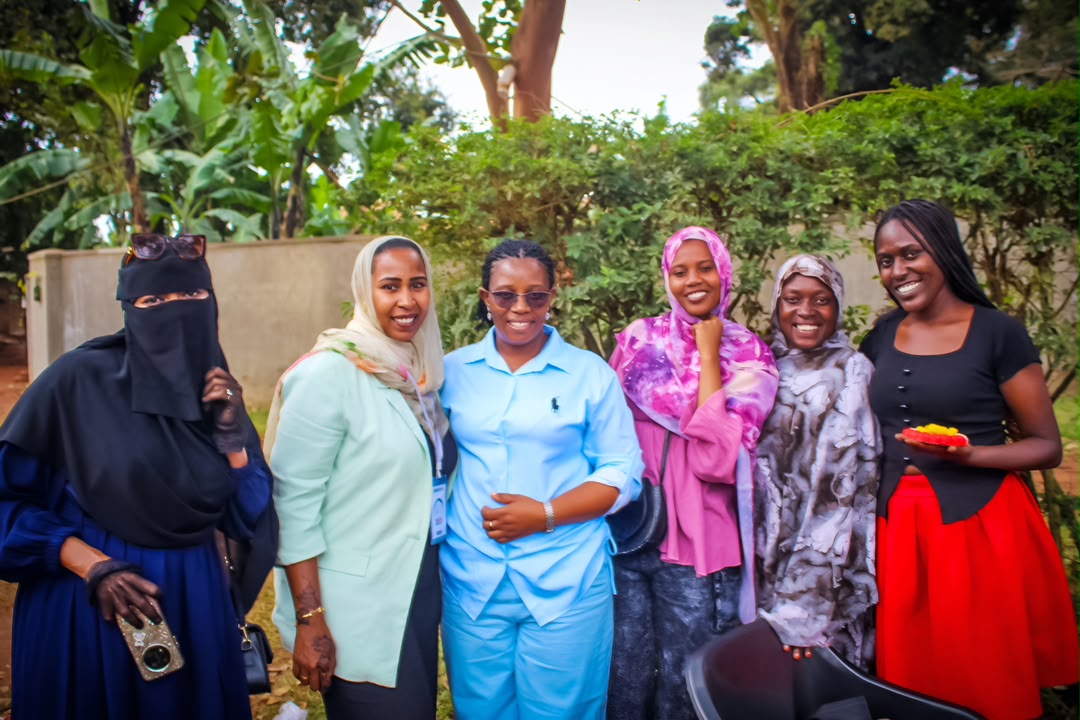
We sincerely thanks all the refugee entrepreneurs, families, health workers, volunteers, performers, community leaders and the Ugandan host community who participated in the exhibition.
We also appreciate everyone who helped organize the event and supported the participating businesses. Your involvement made the day meaningful, welcoming and successful.
The exhibition reminded us that refugees do not leave their talents, cultures or dreams behind when they are forced to flee. With the right opportunities and community support, they can rebuild their lives, support their families and contribute greatly to the places where they now live.
TRAID remains committed to promoting refugee livelihoods, health, cultural identity and peaceful relationships between refugees and host communities.
Together, we can build communities where everyone feels welcomed, valued and able to belong.
Comments are closed