

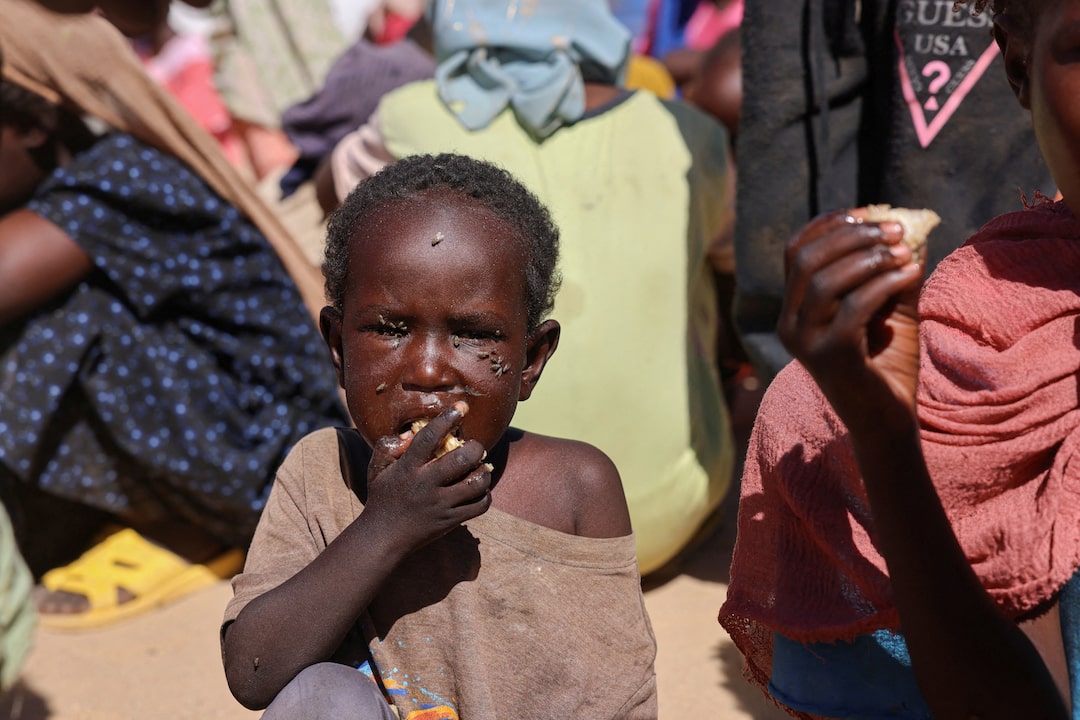
Around half of all school-age children in Sudan, more than eight million children, are currently out of school due to the ongoing civil war, according to a recent report by Save the Children. This has become one of the worst education crises in the world.
The conflict, which began in April 2023, has severely disrupted Sudan’s education system. Save the Children reports that Sudanese children have already missed about 500 days of learning since the war started. For many children, school has simply stopped being part of daily life.
Across the country, thousands of schools have been destroyed, damaged, or forced to close because of fighting. In many towns and villages, classrooms are now being used as shelters for displaced families who have nowhere else to go. While these shelters save lives, they leave children without safe spaces to learn and grow.
The humanitarian situation is equally devastating in Al-Fashir, the capital of North Darfur, which was taken by the Rapid Support Forces (RSF) in October after an 18-month siege. Since then, more than 100,000 people are estimated to have fled the city. Children who once attended school are now living in displacement camps or on the move, with no access to education at all.
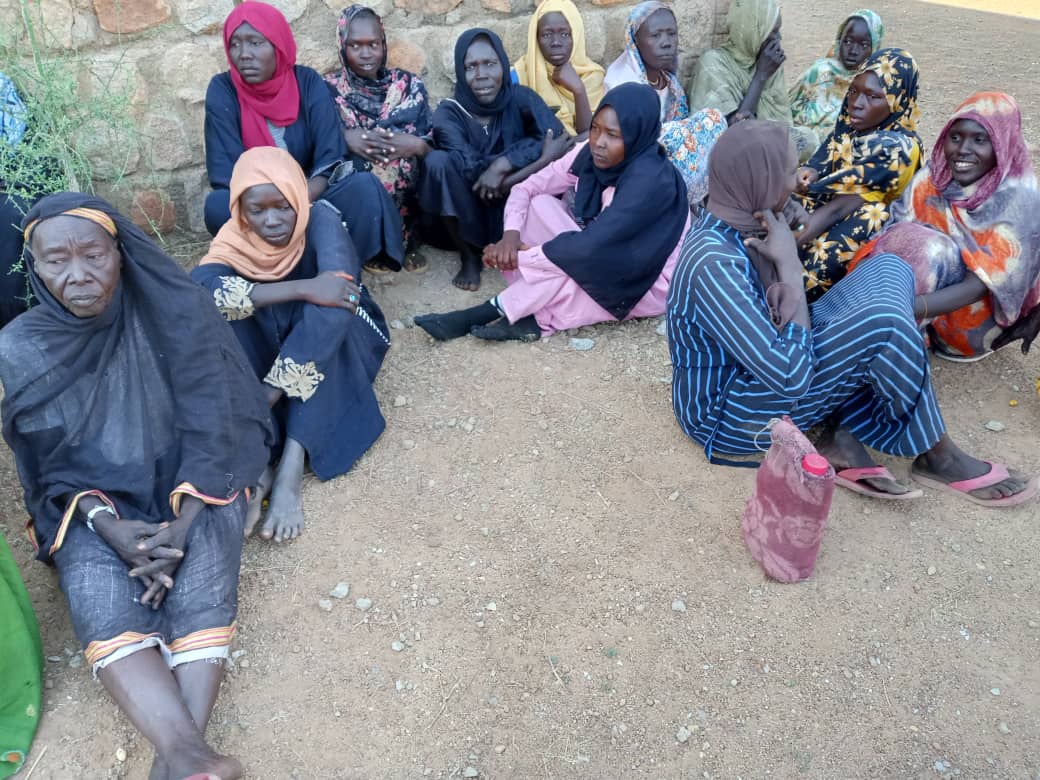
In Kadugli, the capital of South Kordofan, conditions have worsened even further. The city is now facing famine conditions, with severe shortages of food and basic services. Schools are closed, teachers are unpaid, and children are left hungry and forgotten. Education, in these circumstances, has become unreachable.
In recent days, drone strikes have intensified in and around al-Obeid, the capital of North Kordofan state. Civilians are displaced and living in fear making education even more difficult for children to continue.
Call for Humanitarian Access
Trauma Rescue Aid (TRAID) we are calling on humanitarian actors, the Sudanese government, and RSF leadership to allow safe and unhindered delivery of food and humanitarian assistance to civilians in Al-Fashir, Kadugli, Al-Obeid and other affected areas. Civilians must not be punished by starvation or denial of education because of political or military decisions
Education is more than learning. It protects children from exploitation, child labor, early marriage, and recruitment into armed groups. When schools close, children become more vulnerable to violence and abuse.
Without urgent action, an entire generation of Sudanese children risks growing up without education, safety, or hope for the future.
Comments are closed