

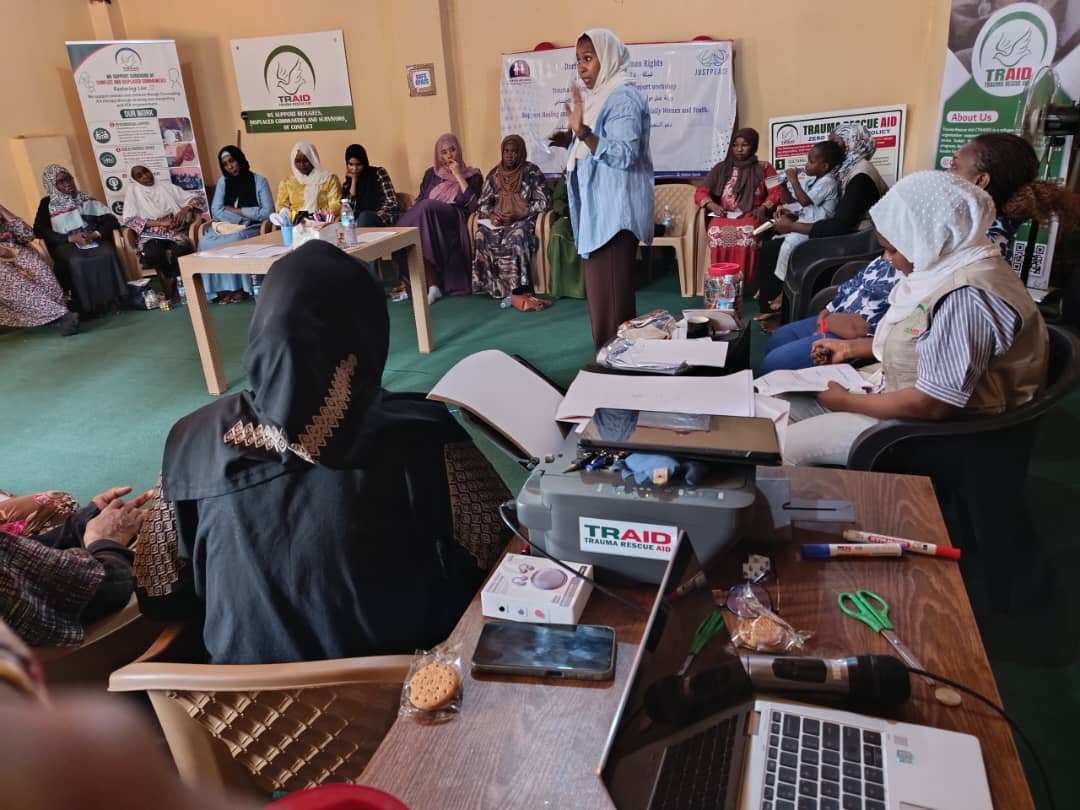
A two-day training workshop on Trauma Healing and Psychosocial Support was conducted for 54 Sudanese women survivors living in Uganda.
Most of the women had been directly affected by the ongoing war in Darfur and South Kordofan. Many had experienced sexual violence, torture, loss of property, separation from family members, and major disruption to their lives.
Although the women had reached safety in Uganda, many continued to live with the emotional impact of what had happened to them in Sudan. During the training, participants spoke about painful memories, nightmares, grief, fear, stress, and the challenges of rebuilding their lives as refugees.
The workshop created a safe, respectful, and supportive space for women survivors to better understand trauma, learn practical coping skills, and explore different ways of expressing difficult emotions. Activities included group discussions, storytelling, guided reflection, art therapy, emotional-regulation exercises, and self-care practices.
The training also helped participants understand that reactions such as fear, sadness, difficulty sleeping, painful memories, and emotional distress can be linked to traumatic experiences. Women were encouraged to use simple coping strategies, seek support when needed, and recognize when additional psychosocial or specialized care may be necessary.
Creating a Safe Space for Women Survivors
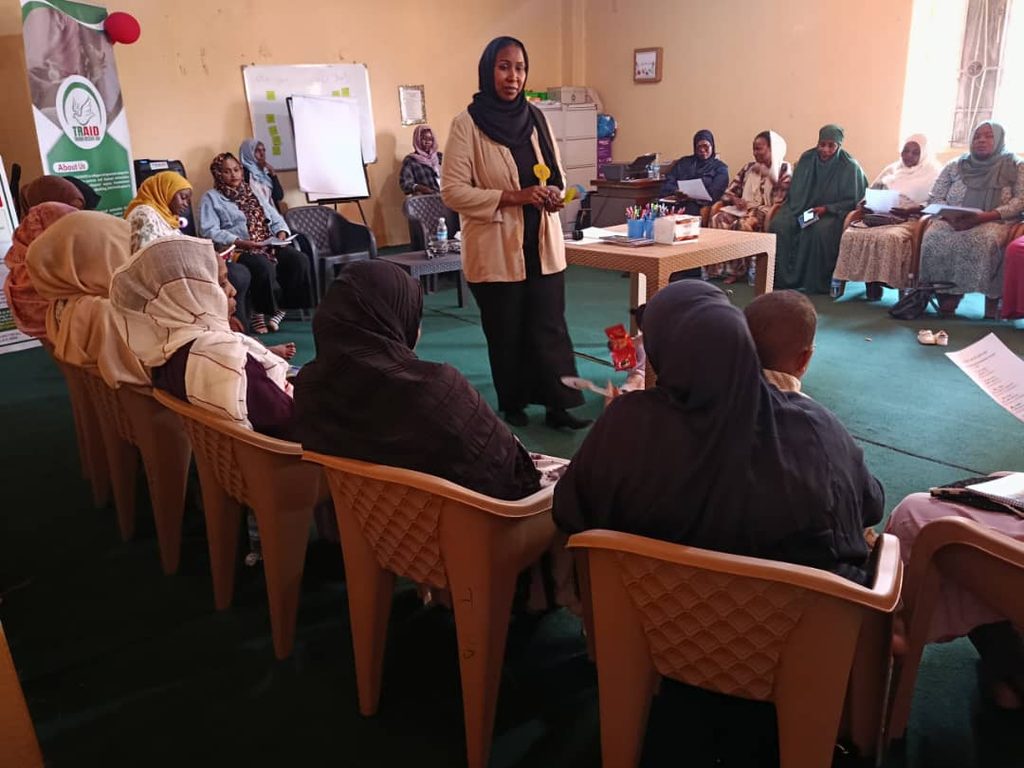
The training brought together 54 Sudanese women survivors in a supportive environment where they could learn about trauma, emotional wellbeing and coping while connecting with other women affected by war and displacement.
Understanding Trauma and Its Effects
One of the main sessions helped women understand what trauma means. The facilitator explained that trauma can result from experiences that are frightening, violent, overwhelming or make a person feel unsafe. Participants also learned that two people can experience similar events but respond in very different ways. This was important because survivors sometimes blame themselves for how they feel after traumatic experiences.
The women discussed how trauma can affect different parts of their lives. Physical reactions can include poor sleep, tiredness, headaches, body pain, a fast heartbeat or constantly feeling alert. Emotional reactions may include fear, sadness, anger, guilt, shame, numbness or sudden changes in mood. Trauma can also affect thoughts. A survivor may experience unwanted memories, constant worry, difficulty concentrating, confusion or negative thoughts about the future. Relationships can also be affected. Some survivors may withdraw from other people, avoid things that remind them of what happened, lose interest in activities or find it difficult to trust others.
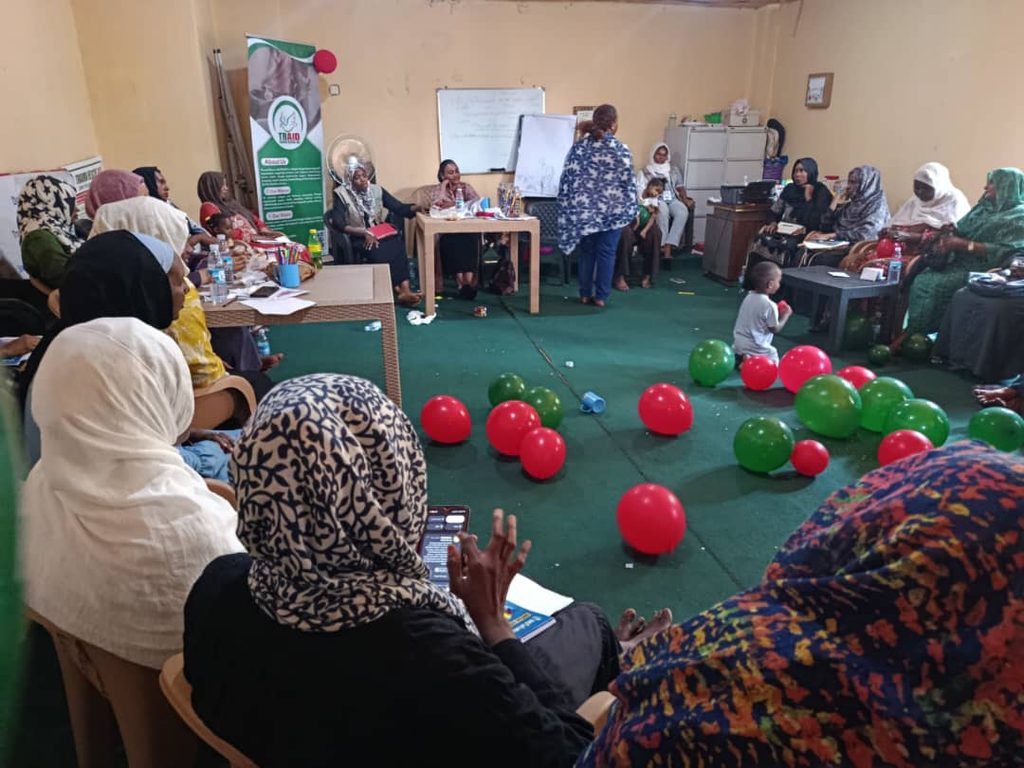
Participants discussed trauma as the emotional and physical impact of experiences that feel overwhelming or unsafe. The session explained that people may react differently to similar experiences, and that both direct trauma and secondary trauma deserve attention and care.
Learning Healthy Ways to Cope
The training moved from understanding trauma to discussing what women could do when they experienced difficult emotions. The participants identified simple coping methods that could be used in everyday life. These included talking to someone they trust, maintaining a simple routine, resting, seeking spiritual support, walking, writing, drawing, practicing slow breathing and asking for help. The focus was on small and realistic actions.
The workshop did not suggest that these activities could solve every problem. Instead, participants learned that simple coping practices can help them manage difficult moments and that professional support may be needed when distress becomes severe or continues for a long time.
Emotional Regulation and Self-Care
Participants practised simple emotional regulation skills including slow breathing, grounding through the five senses, naming an emotion, pausing before reacting and contacting a trusted person. Self-care was discussed as a regular practice, especially for people who also support others.

Storytelling and Listening
Storytelling was presented as a voluntary way to feel heard and make meaning from difficult experiences. On Day One, participants reported nightmares linked to attacks and displacement. On Day Two, 19 participants voluntarily shared stories about attacks on villages, what they had witnessed, property they had lost and family members who had died.
The documentation session stressed consent and control. Participants should decide what can be recorded, who can read it and whether identifying details can be included. This report does not include personal stories or identifying information.
Art Therapy and Creative Expression
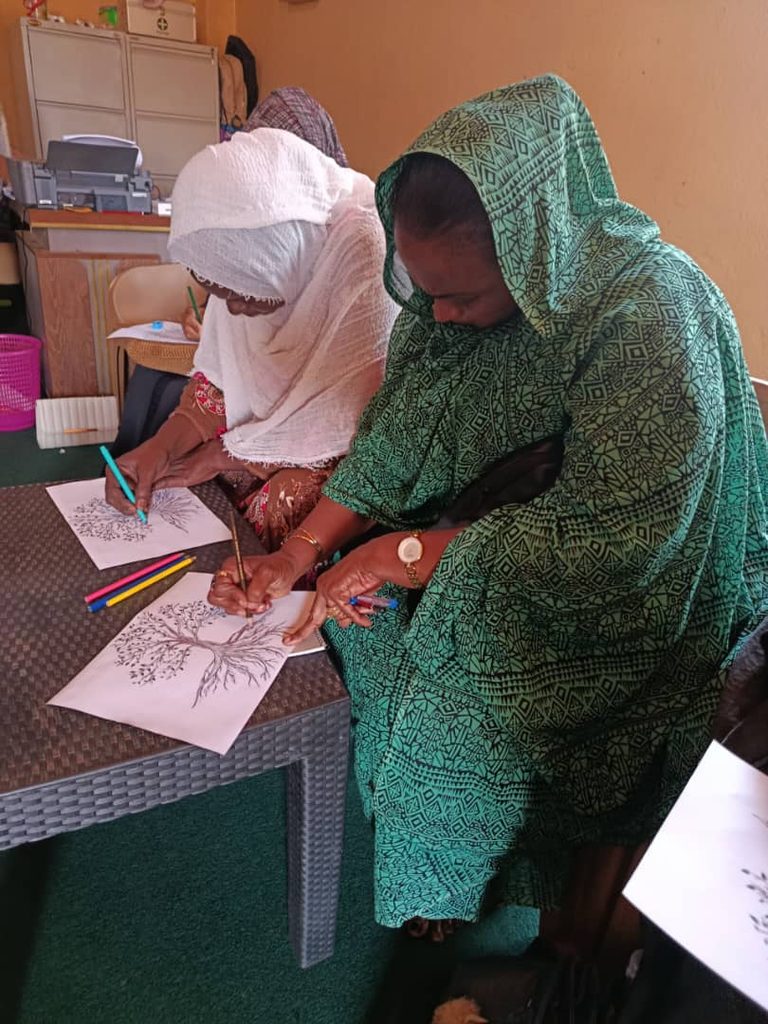
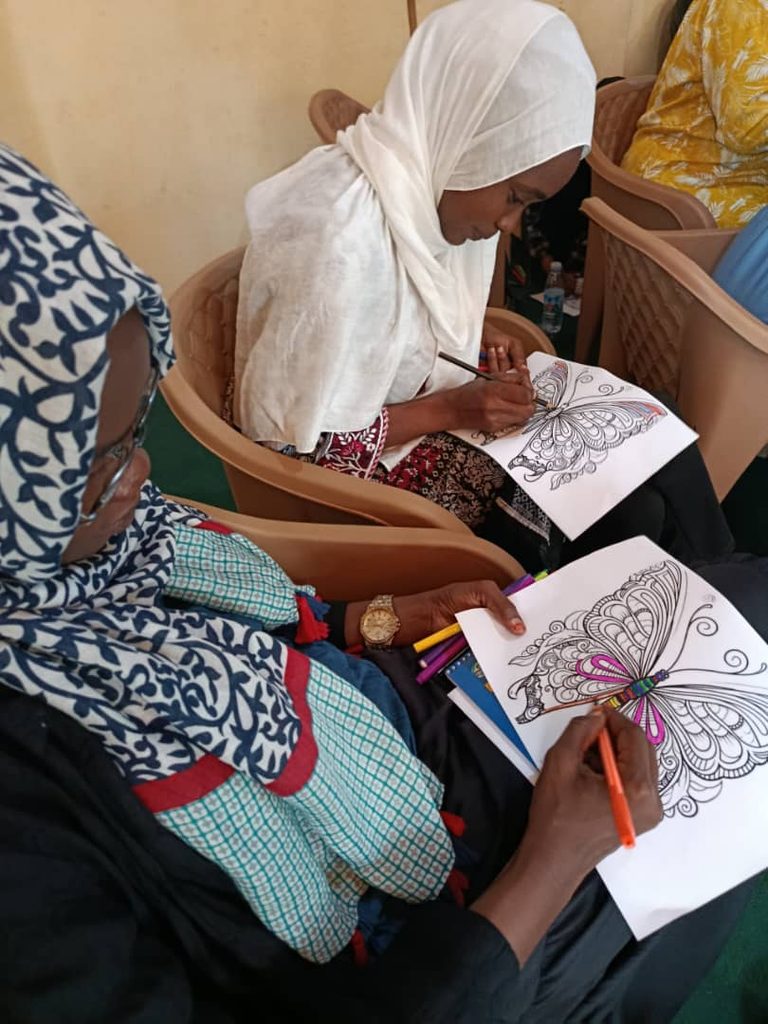
Talking is not always easy for someone who has experienced violence or severe loss. For this reason, the second day included an art-therapy drawing activity. A total of 31 women participated in the drawing activity. The purpose was not to test their artistic ability. Instead, drawing gave participants another way to express thoughts and feelings that might be difficult to communicate in words. Women were allowed to draw and reflect without being pressured to explain everything represented in their pictures.
What TRAID Observed
One of the strongest observations from the workshop was that the effects of war did not end when the women crossed the border into Uganda. Physical safety is extremely important, but survivors may continue carrying memories of violence, loss and fear long after reaching safety. The women spoke about nightmares and painful memories. Many became emotional when listening to the experiences of others. Their request for more trauma-healing activities also showed that a two-day workshop could only be a beginning.
Another important lesson was that women expressed themselves differently. Some were comfortable talking. Others preferred listening. Some participated through drawing, reflection or group exercises. This reinforced the importance of giving survivors choices instead of expecting everyone to heal or communicate in the same way.
Safeguarding and Referral
TRAID recognizes that trauma-focused activities can sometimes bring painful memories back to the surface. For this reason, future activities should continue to make participation voluntary, protect confidentiality and avoid demanding detailed personal stories in group settings.
Not every psychosocial need can be addressed through a group workshop. A woman experiencing severe distress, feeling unsafe, having thoughts of self-harm or struggling to function in her daily life may require individual assessment and specialized mental-health or protection support.
TRAID therefore recognizes the importance of strengthening referral relationships with mental-health professionals, health services, GBV services and other protection providers
Conclusion: Safety Is Only the Beginning
For women who have survived war, reaching a safe country is an important step, but physical safety does not automatically heal emotional wounds.
The 54 women who participated in this training had different experiences and different ways of coping. What brought them together was the need for a space where their emotions could be understood without judgment. Over the two days, participants learned about trauma, explored healthy coping methods, practiced emotional-regulation techniques and used storytelling, drawing and reflection as different forms of expression.
The workshop also reminded TRAID that healing cannot be rushed. A survivor may need time before she is ready to speak. Another may prefer drawing. Another may simply need someone to listen. Some women may require specialized professional care.
TRAID will continue working to ensure that Sudanese women survivors living in Uganda have access to safe, dignified and trauma-informed psychosocial support, while strengthening connections to specialized services for those who need additional care.
Comments are closed